- Home

- Products In Practice
MGMA 2026 Recap
MGMA 2026: Every Practice Was Different. Every Problem Was the Same.
Written by:
Tycen Povey
Published:
October 1, 2026
MGMA's centennial conference in San Antonio had a different energy than most shows. The 100-year milestone brought out a bigger crowd, a better program, and honestly one of the best networking events I have attended in a decade. There was a sense in the room that everyone was ready to stop looking back and start deciding what comes next. The theme, "From Here Forward," captured that well.
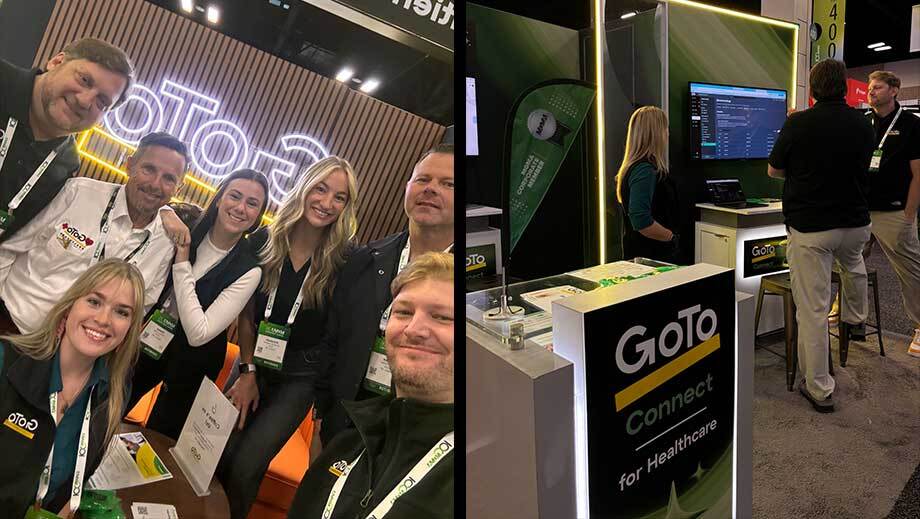
But the most telling moments were not on the main stage. They were the conversations we had on the show floor with practice leaders from all over the country: CEOs, COOs, and practice administrators running everything from single-location clinics to large multilocation groups. Different specialties, different sizes, different markets. The same problems, every single time.
But the most telling moments were not on the main stage. They were the conversations we had on the show floor with practice leaders from all over the country: CEOs, COOs, and practice administrators running everything from single-location clinics to large multilocation groups. Different specialties, different sizes, different markets. The same problems, every single time.
The Pain Points Were Universal
Ninety-seven percent of MGMA attendees surveyed reported higher operating costs than at the same point last year. Practices are being asked to do more with the same or fewer resources, and the technology they have is not always making that easier. Practice leaders flagged healthcare IT and AI as a top concern, not because they are resistant to technology, but because they have been promised relief before and are still waiting for it.
The event's emcee, actor and TV host Sasha Andreev, put the patient side of that in plain terms. Over two years of medical appointments for a voice condition, he said, what made the difference between a good experience and a bad one came down to simple things: whether someone answered the phone, whether the scheduling was easy, and whether he had to repeat himself every time he called. The administrators and executives in the room recognized it immediately because they hear it from their own patients.
When we talked with attendees at our booth, the frustrations were nearly identical regardless of who we were speaking with: limited visibility into what is happening across communication channels, fragmented tools that do not talk to each other, outdated systems that create manual work, multiple platforms that require staff to toggle between screens, and at the end of all of it, a patient experience that does not reflect the quality of care the practice is delivering. Those are not separate problems. They are the same problem, showing up in different places.
The event's emcee, actor and TV host Sasha Andreev, put the patient side of that in plain terms. Over two years of medical appointments for a voice condition, he said, what made the difference between a good experience and a bad one came down to simple things: whether someone answered the phone, whether the scheduling was easy, and whether he had to repeat himself every time he called. The administrators and executives in the room recognized it immediately because they hear it from their own patients.
When we talked with attendees at our booth, the frustrations were nearly identical regardless of who we were speaking with: limited visibility into what is happening across communication channels, fragmented tools that do not talk to each other, outdated systems that create manual work, multiple platforms that require staff to toggle between screens, and at the end of all of it, a patient experience that does not reflect the quality of care the practice is delivering. Those are not separate problems. They are the same problem, showing up in different places.
Your Patient Data Is Already There. The Question Is Whether It Is Working.
Here is what struck me most in those conversations. Practices are not starting from zero. They have rich, detailed patient data sitting in their EHR systems. They know their patients. The problem is that information stays locked in the EHR while the phone system operates in a completely separate world.
When someone calls, the person answering has no idea who is on the line until they are told. They ask the same questions every time. They put the caller on hold to look things up. Date of birth, insurance, reason for calling, repeated again and again, just like last time. By the time the call ends, the experience has already told the patient something about this practice, and it is not the message anyone intends to send.
One of the features that generated the most conversation at our booth was screen pop. The moment a call connects, the patient's full record opens automatically for the person answering. Before they say hello, they already know who is calling, why they might be calling, and what their history looks like. A new front desk employee and a veteran of 15 years can deliver the same informed, personal experience. Your team can treat every patient like they have known them for 20 years.
That is not just a better patient experience. It is a more efficient one. Less time spent asking questions that are already answered. Fewer transfers. Faster resolution. And all of it connected back to the EHR so the interaction does not disappear the moment the call ends.
GoTo Connect for Healthcare integrates with Epic, athenahealth, eClinicalWorks, ModMed, AdvancedMD, and more. Every call, message, and appointment links automatically to the right patient record. Based on GoTo Connect healthcare customer data, practices have seen a 26% improvement in connection rates and a 20% increase in callback rates, with average call response times under 20 seconds.
When someone calls, the person answering has no idea who is on the line until they are told. They ask the same questions every time. They put the caller on hold to look things up. Date of birth, insurance, reason for calling, repeated again and again, just like last time. By the time the call ends, the experience has already told the patient something about this practice, and it is not the message anyone intends to send.
One of the features that generated the most conversation at our booth was screen pop. The moment a call connects, the patient's full record opens automatically for the person answering. Before they say hello, they already know who is calling, why they might be calling, and what their history looks like. A new front desk employee and a veteran of 15 years can deliver the same informed, personal experience. Your team can treat every patient like they have known them for 20 years.
That is not just a better patient experience. It is a more efficient one. Less time spent asking questions that are already answered. Fewer transfers. Faster resolution. And all of it connected back to the EHR so the interaction does not disappear the moment the call ends.
GoTo Connect for Healthcare integrates with Epic, athenahealth, eClinicalWorks, ModMed, AdvancedMD, and more. Every call, message, and appointment links automatically to the right patient record. Based on GoTo Connect healthcare customer data, practices have seen a 26% improvement in connection rates and a 20% increase in callback rates, with average call response times under 20 seconds.
AI That Removes Work, Not Just Moves It
The technology question at the heart of MGMA this year was one that every vendor in the hall should be asked: does your solution remove work, or does it just move the work somewhere else?
That distinction matters because practices have been burned before. They have purchased tools that promised automation and delivered complexity instead: middleware that breaks, integrations that require a dedicated resource to maintain, AI that creates new workflows while the old ones stay in place. The skepticism practice leaders brought to technology conversations at this show was earned, and it is exactly the right question to ask.
AI scheduling is one of the clearest demonstrations of that principle in practice. A patient calls after hours to book an appointment. AI answers in a natural voice, verifies their identity, checks real-time availability, and confirms the booking instantly. No voicemail. No callback the next morning. No manual entry. The patient gets access to care when they need it. The provider stays at capacity. The front desk team focuses on the patients in front of them rather than the phone.
There is no middleware. There is no bolt-on tool. There is no separate system to log into. When something changes in the EHR, it is reflected everywhere. That is what removing work actually looks like, and it is what practice administrators were responding to when we described how the platform works.
That distinction matters because practices have been burned before. They have purchased tools that promised automation and delivered complexity instead: middleware that breaks, integrations that require a dedicated resource to maintain, AI that creates new workflows while the old ones stay in place. The skepticism practice leaders brought to technology conversations at this show was earned, and it is exactly the right question to ask.
AI scheduling is one of the clearest demonstrations of that principle in practice. A patient calls after hours to book an appointment. AI answers in a natural voice, verifies their identity, checks real-time availability, and confirms the booking instantly. No voicemail. No callback the next morning. No manual entry. The patient gets access to care when they need it. The provider stays at capacity. The front desk team focuses on the patients in front of them rather than the phone.
There is no middleware. There is no bolt-on tool. There is no separate system to log into. When something changes in the EHR, it is reflected everywhere. That is what removing work actually looks like, and it is what practice administrators were responding to when we described how the platform works.
From Here Forward
"From Here Forward" is a challenge to practice leaders to make intentional decisions about the next chapter, with full awareness of the financial, operational, and patient experience pressures bearing down on the profession right now.
The practices best positioned for what comes next are not necessarily the ones with the biggest budgets or the most advanced technology. They are the ones who have closed the gap between the data they already have and the experience they are actually delivering to patients.
If you missed us at MGMA, the conversation does not have to stop there. Visit goto.com/healthcare to learn more.
The practices best positioned for what comes next are not necessarily the ones with the biggest budgets or the most advanced technology. They are the ones who have closed the gap between the data they already have and the experience they are actually delivering to patients.
If you missed us at MGMA, the conversation does not have to stop there. Visit goto.com/healthcare to learn more.